
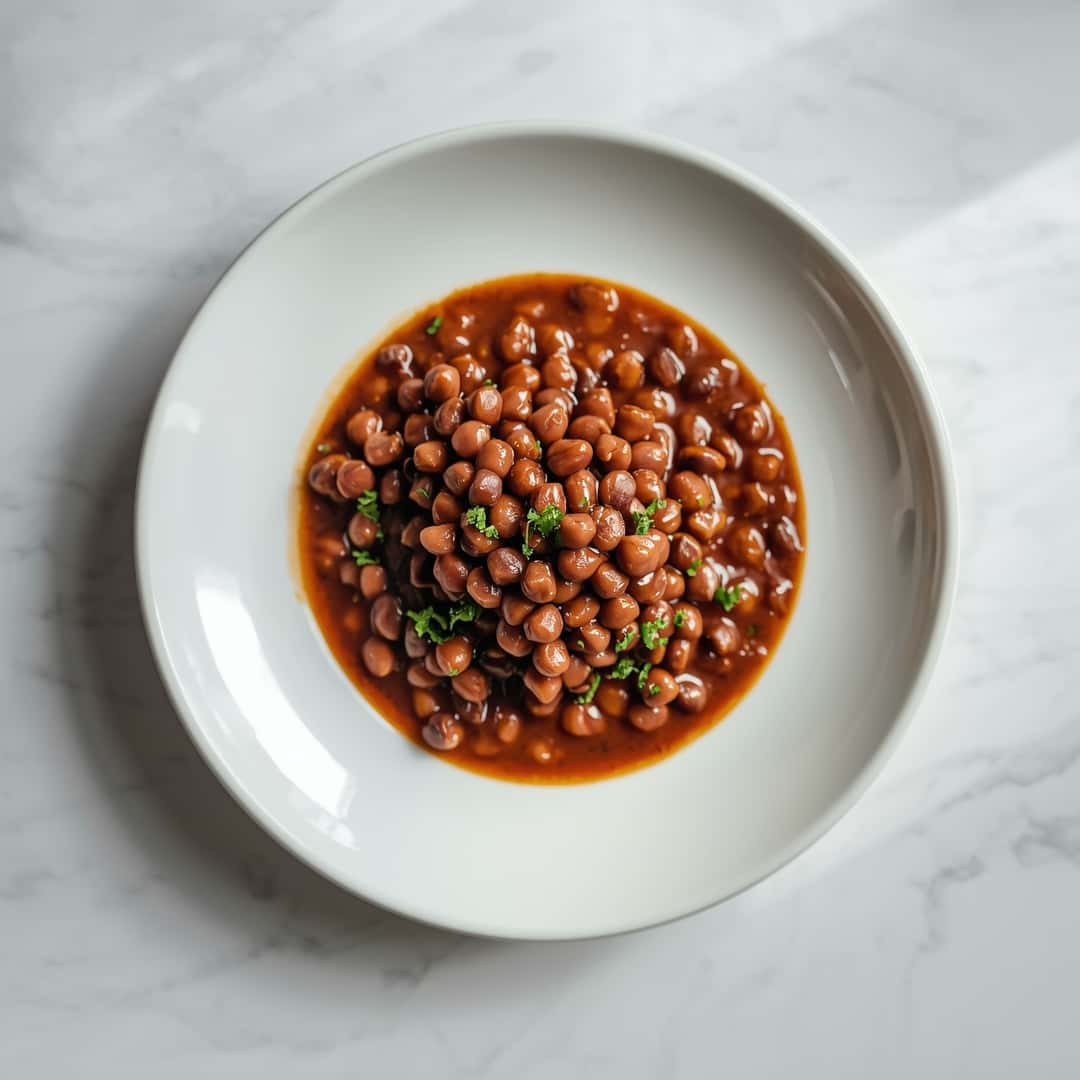
This black eyed pea stew is a hearty, flavorful, and incredibly comforting plant-based meal, perfect for a cozy weeknight dinner or a crowd-pleasing potluck. It’s a delicious and nutritious one-pot wonder that delivers on both taste and ease, packed with protein, fiber, and vibrant vegetables.
Key Ingredients for Black Eyed Pea Stew
To create this incredibly satisfying black eyed pea stew, you’ll need a selection of fresh vegetables, aromatic spices, and, of course, the star of the show: black eyed peas. Each ingredient plays a crucial role in building the stew’s complex and comforting flavor profile.
- 2 tablespoons olive oil: For sautéing and building the flavor base.
- 1 large yellow onion, chopped: Provides a foundational sweetness and aroma.
- 3 cloves garlic, minced: Adds a pungent, savory depth.
- 1 red bell pepper, cored and chopped: Contributes sweetness, a mild crunch, and vibrant color.
- 1 green bell pepper, cored and chopped: Offers a slightly bitter counterpoint and additional color.
- 2 carrots, peeled and diced: Sweetens the stew and adds textural variety.
- 2 celery stalks, diced: Adds a subtle earthy flavor and aromatic depth.
- 1 (28-ounce) can diced tomatoes, undrained: Provides a rich, tangy base and liquid.
- 4 cups vegetable broth: The primary liquid component, adding savory depth.
- 2 (15-ounce) cans black eyed peas, rinsed and drained: The star ingredient, offering a creamy texture and protein. (Alternatively, 1 ½ cups dried black eyed peas, soaked overnight and cooked according to package directions).
- 1 teaspoon smoked paprika: Imparts a deep, smoky flavor that elevates the stew.
- ½ teaspoon dried thyme: Adds an earthy, aromatic note.
- ¼ teaspoon cayenne pepper (optional): For a subtle kick of heat. Adjust to your preference.
- 1 bay leaf: Infuses a delicate, herbal aroma into the broth. Remember to remove before serving.
- Salt and freshly ground black pepper to taste: Essential for seasoning and balancing flavors.
- ¼ cup fresh parsley, chopped: For garnish and a burst of freshness.
How to Make Black Eyed Pea Stew
This black eyed pea stew is incredibly easy to make, delivering a delicious, satisfying, and deeply flavorful meal with minimal effort. Its one-pot nature simplifies cleanup, and the slow simmering process allows the flavors to meld beautifully, creating a rich, creamy texture without any dairy. With a preparation time of just 15 minutes, followed by a 30-minute simmer, this comforting dish is perfect for even the busiest evenings.
● Step-by-Step Instructions:
- Prepare Your Aromatics: Heat the olive oil in a large Dutch oven or heavy-bottomed pot over medium heat. Add the chopped onion and cook, stirring occasionally, until softened and translucent, about 5-7 minutes.
- Add Garlic and Peppers: Stir in the minced garlic, chopped red bell pepper, and chopped green bell pepper. Cook for another 3-5 minutes, until the peppers start to soften and become fragrant. Be careful not to burn the garlic.
- Introduce Carrots and Celery: Add the diced carrots and celery to the pot. Sauté for 5 minutes, allowing the vegetables to slightly soften and release their flavors.
- Deglaze and Add Tomatoes: Pour in the canned diced tomatoes (with their liquid) and stir well, scraping up any browned bits from the bottom of the pot. This adds a crucial layer of flavor.
- Build the Broth: Add the vegetable broth to the pot. Stir in the rinsed and drained black eyed peas.
- Season Your Stew: Now it’s time for the spices! Add the smoked paprika, dried thyme, and cayenne pepper (if using). Tuck in the bay leaf. Season generously with salt and freshly ground black pepper.
- Simmer to Perfection: Bring the stew to a gentle boil, then reduce the heat to low, cover, and let it simmer for at least 30 minutes. This allows the flavors to meld beautifully and the vegetables to become tender. Stir occasionally to prevent sticking. For a richer flavor, you can simmer for up to an hour.
- Final Touches and Serve: Remove the bay leaf before serving. Taste and adjust seasonings as needed, adding more salt, pepper, or a pinch more cayenne if desired. Ladle the hot black eyed pea stew into bowls and garnish generously with fresh chopped parsley.
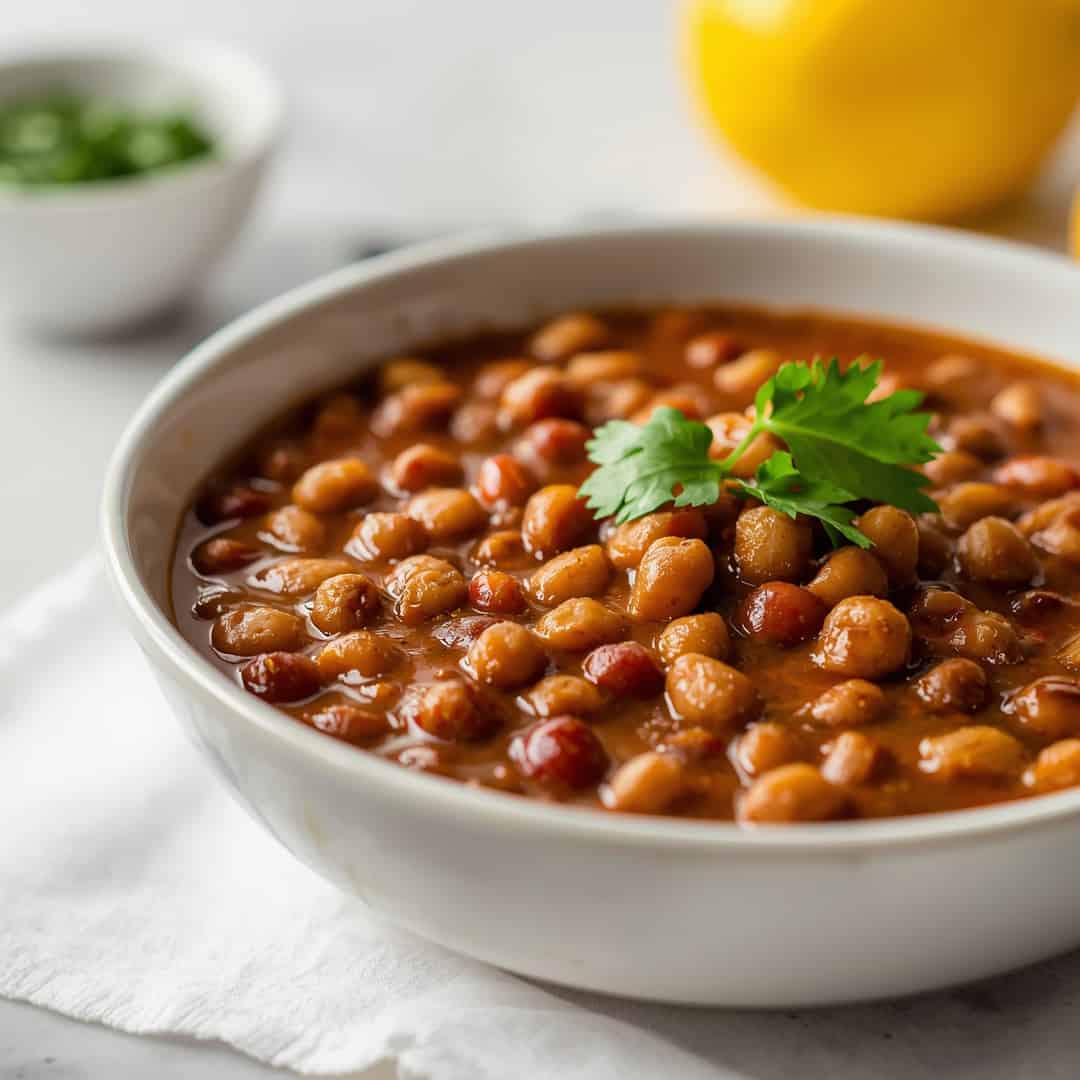
black eyed pea stew
Ingredients
Equipment
Method
- Heat olive oil in a large pot or Dutch oven over medium heat. Add chopped onion, red bell pepper, and green bell pepper. Sauté for 5-7 minutes, until softened.1 tbsp olive oil, 1 yellow onion, 1 red bell pepper, 1 green bell pepper
- Add minced garlic and cook for another minute until fragrant.2 cloves garlic
- Stir in smoked paprika, dried thyme, and cayenne pepper (if using). Cook for 30 seconds more, stirring constantly.1 tsp smoked paprika, 1/2 tsp dried thyme, 1/4 tsp cayenne pepper
- Pour in vegetable broth, drained and rinsed black eyed peas, and undrained diced tomatoes. Bring the mixture to a simmer.4 cups vegetable broth, 2 cans black eyed peas, 1 can diced tomatoes
- Reduce heat to low, cover, and let the stew simmer for at least 30 minutes, or up to 45 minutes, allowing the flavors to meld. Stir occasionally.
- Season with salt and black pepper to taste.1/2 tsp salt, 1/4 tsp black pepper
- Ladle the black eyed pea stew into bowls. Garnish with fresh cilantro, if desired, and serve hot. Excellent with cornbread or rice.fresh cilantro
Notes
Why You’ll Love This Black Eyed Pea Stew
This black eyed pea stew is a culinary hug in a bowl, a true testament to how simple ingredients can create something extraordinary. Its main highlight is undeniably its rich, smoky, and deeply savory flavor profile, which manages to be both comforting and vibrant. You’ll love knowing that you’re enjoying a wholesome meal that’s incredibly budget-friendly; making this stew at home is far more economical than takeout, leveraging inexpensive pantry staples into a gourmet experience. The optional hint of cayenne adds a delightful warmth, while the fresh pop of cilantro or parsley as a garnish provides a finishing touch that elevates every spoonful from good to absolutely unforgettable.
Comparing it to a classic lentil soup, this black eyed pea stew offers a slightly creamier texture and a distinct, earthy flavor thanks to the Southern charm of the peas and smoked paprika. If you’ve enjoyed our Hearty Vegetarian Chili, you’ll find a similar satisfying heartiness here, but with a unique taste that stands on its own. We truly hope you’re inspired to try this recipe at home and discover its comforting magic for yourself!
What to Serve Black Eyed Pea Stew With
This versatile black eyed pea stew pairs wonderfully with a variety of sides, making it a complete and satisfying meal. Here are a few suggestions to complement its rich flavors and hearty texture:
- Crusty Bread or Cornbread: A warm, crusty baguette or a slice of moist cornbread is perfect for soaking up every last drop of the delicious stew.
- Brown Rice or Quinoa: For a more substantial and fiber-rich meal, serve the stew over a bed of fluffy brown rice or quinoa.
- Green Salad: A simple, crisp green salad with a light vinaigrette offers a refreshing contrast to the stew’s richness.
- Coleslaw: The tangy crunch of coleslaw can be a delightful accompaniment, providing a bright, acidic counterpoint.
- Roasted Vegetables: Side dishes like roasted broccoli, asparagus, or Brussels sprouts add extra nutrients and a different texture.
- Hot Sauce or Extra Spices: For those who love a bit more heat, offer a bottle of your favorite hot sauce or a sprinkle of extra red pepper flakes at the table.
- Fresh Herbs: A final scattering of fresh cilantro or extra parsley can brighten the flavors even further.
Top Tips for Perfecting Black Eyed Pea Stew
To ensure your black eyed pea stew is as delicious and foolproof as possible, keep these expert tips in mind. They’ll help you elevate the flavors, adjust for various dietary needs, and avoid common pitfalls.
- Don’t Rush the Sautéing: The initial sautéing of the onions, peppers, carrots, and celery is crucial. Allowing these aromatics to soften and caramelize slightly builds a deep flavor base that will permeate the entire stew.
- Smoked Paprika vs. Regular Paprika: While regular paprika can be used, smoked paprika truly makes a difference in this recipe, lending a depth and warmth that is hard to replicate. Don’t skip it if you want that authentic, comforting flavor.
- Adjust Spice Level: The cayenne pepper is optional and can be adjusted to your taste. For more heat, add a pinch more; for less, omit it entirely. You can also add a pinch of red pepper flakes with the other spices.
- Dried vs. Canned Black Eyed Peas: If using dried black eyed peas, ensure they are soaked overnight and cooked until almost tender before adding them to the stew. Canned peas are convenient, but dried offer a slightly firmer texture and often a richer flavor profile.
- Vegetable Broth Quality: A good quality vegetable broth significantly impacts the final taste. If possible, use a low-sodium broth so you can control the salt content yourself.
- Simmer Longer for Deeper Flavor: While 30 minutes is sufficient, simmering the stew for 45-60 minutes on low heat allows all the flavors to meld and deepen further. Just be sure to stir occasionally to prevent sticking and add a little more broth or water if it gets too thick.
- Add a Touch of Acidity: Sometimes, a squeeze of fresh lemon or lime juice just before serving can brighten the flavors and make them pop, especially if the stew feels a little heavy.
- Herbs at the End: Add fresh parsley (or cilantro if you prefer) right before serving to preserve its vibrant flavor and color. Cooking it for too long will diminish its freshness.
- Common Mistakes to Avoid:
- Under-seasoning: Taste your stew throughout the process and adjust salt and pepper. Don’t be afraid to add more.
- Burning the Garlic: Garlic cooks quickly. Add it after the onions have softened and cook for only a minute or two until fragrant.
- Forgetting the Bay Leaf: While not detrimental, a bay leaf adds a subtle, complex background note. Always remember to remove it before serving.
- Ingredient Substitutions:
- Greens: Feel free to stir in a few handfuls of fresh spinach or chopped collard greens (add these during the last 10 minutes of simmering) for extra nutrients.
- Other Vegetables: Diced zucchini, yellow squash, or even sweet potato can be added for variety. Adjust cooking times as needed.
- Protein Boost: For a non-vegetarian option, you could add cooked sausage (like smoked turkey sausage or chorizo) along with the black eyed peas.
Storing and Reheating Tips
Proper storage and reheating are key to enjoying your delicious black eyed pea stew for days to come. This stew actually tastes even better the next day as the flavors have more time to meld!
Storage:
- Refrigeration: Allow the stew to cool completely before transferring it to an airtight container. Store it in the refrigerator for up to 3-4 days. Ensure the container is sealed tightly to prevent other food odors from affecting the stew and to maintain freshness.
- Freezing: This black eyed pea stew freezes beautifully! Once cooled, transfer the stew into freezer-safe containers or heavy-duty freezer bags. If using freezer bags, lay them flat for quicker freezing and easier stacking. Label with the date. It will keep in the freezer for up to 3 months. When freezing in containers, leave about an inch of headspace as the liquid will expand.
Reheating:
- From Refrigerator:
- Stovetop: Transfer the desired amount of stew to a saucepan. Heat over medium-low heat, stirring occasionally, until heated through. Add a splash of vegetable broth or water if the stew has thickened too much.
- Microwave: Place a single serving in a microwave-safe bowl. Heat on high for 1-2 minutes, stir, and continue heating in 30-second intervals until hot.
- From Freezer:
- Thawing: For best results, thaw the frozen stew overnight in the refrigerator before reheating.
- Direct Reheating (Stovetop): You can reheat from frozen on the stovetop, although it will take longer. Place the frozen block of stew in a pot over low heat, covered. As it thaws, break it up with a spoon, stirring frequently, until it’s completely melted and heated through. Add a little liquid if needed. This method is generally not recommended for microwave reheating from frozen chunks as it can result in uneven heating.
- Adjust Consistency: Stews tend to thicken as they cool. When reheating, it’s common to add a little extra vegetable broth or water to achieve your desired consistency.
Final Thoughts
This black eyed pea stew is more than just a recipe; it’s an invitation to savor the simple pleasures of home cooking. Its wholesome ingredients, comforting flavors, and ease of preparation make it a standout dish that’s perfect for any occasion, from a brisk winter evening to a New Year’s Day tradition. We hope you embrace this recipe, make it your own, and enjoy the delicious warmth it brings to your table. Happy cooking!
Ready to start cooking? Explore hundreds of delicious recipes now, and for daily inspiration and curated food ideas, follow us on Pinterest!